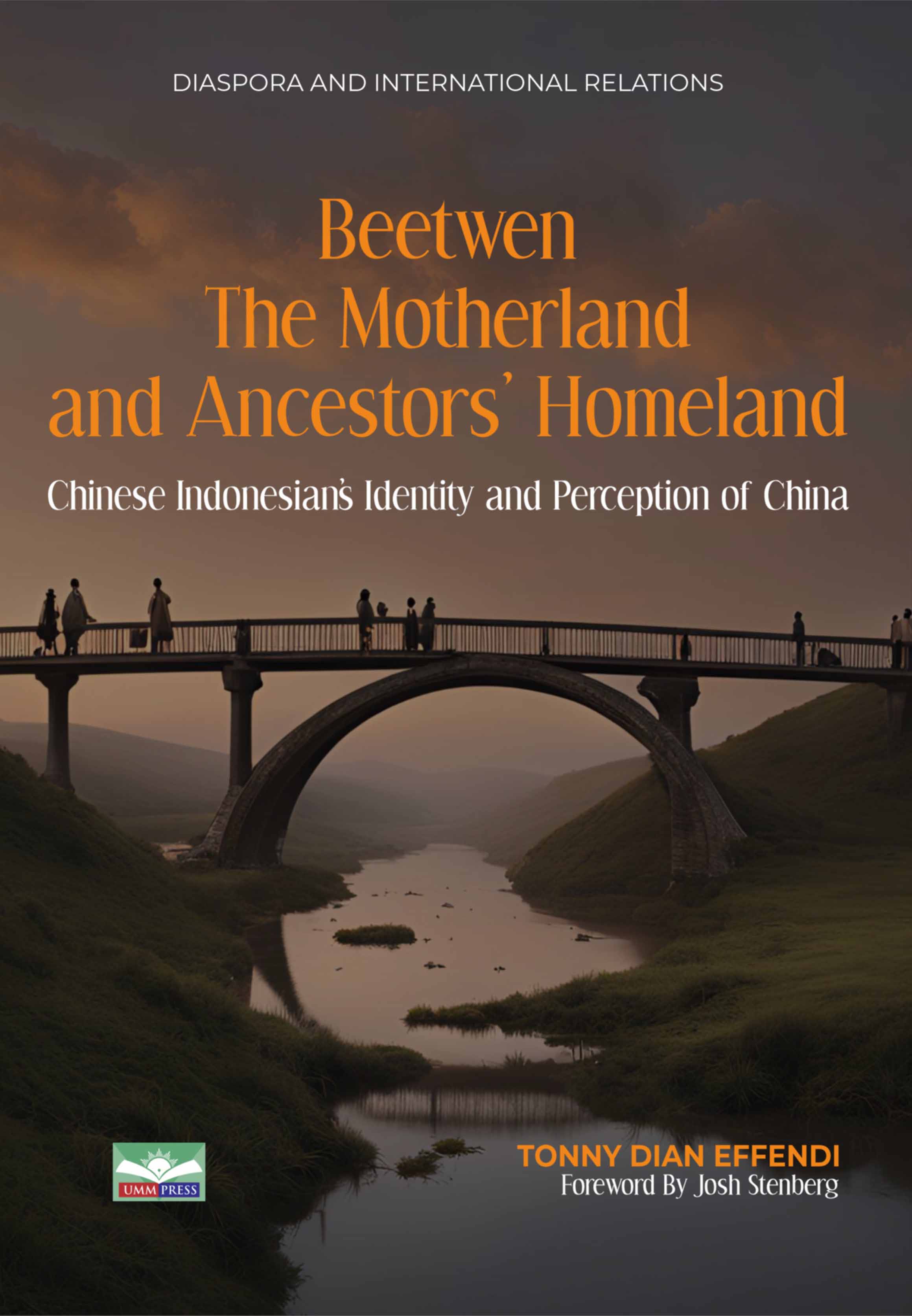
Identity is a critical aspect of human life that shapes character and behavior. Identity can be inherited through physical traits or constructed through social interactions. It can be beneficial in specific contexts but also pose risks in conflict situations. Identity is often studied in anthropology, history, sociology, and ethnic or cultural studies, but political identity is also important in shaping political behavior and how political context influences identity formation. In International Relations (IR), identity is usually discussed in the context of the state. However, the relationship between states can also affect a community’s identity or vice versa. For diaspora communities, relations between the home and host countries can shape their political orientation, just as their identity may influence those relations. Therefore, identity discussion in International Relations extends beyond the state, exploring how state relations influence communities and how communities, in turn, influence state interactions.
Foreword by Josh Stenberg v
Preface vii
Table of Contents xiii
Chapter One. Diaspora and International Relations 1
Chapter Two. Research on Diaspora in International Relations 19
Chapter Three. Chinese Diaspora 43
Chapter Four. The Chinese Indonesians 65
Chapter Five. Navigating Identity and Perception of China 99
Chapter Six. The “Over Here Interests” 117
Chapter Seven. Between Motherland and Ancestors’ Homeland 135
Bibliography 141
About the Author 166